
Randi Eichenbaum: BRCA2, Access to Care, and the birth of MOTA
Randi Eichenbaum lost her mother to ovarian cancer at 19, learned she carried BRCA2 through a phone call from a lab, and put the result away until motherhood and approaching 40 made it impossible to ignore. Through preventive surgery in the postpartum months and a stage 1 breast cancer diagnosis, the care that steadied her came through personal connections, leaving her feeling both deeply lucky and frustrated that this was the exception. She and Sara talk about how that tension became MOTA, a digital companion for people with hereditary cancer risk, and why carrying a genetic mutation is a lifelong experience rather than something you finish.
Jaclyn Carnevale: From Cancer Diagnosis to Embryos Without the Mutation, A BRIP1 Previvor’s IVF Journey
At 30, Jaclyn Carnevale found a lump, pushed past a doctor's "wait and see," and within days was diagnosed with DCIS and a BRIP1 gene mutation her family didn't know it carried. She moved through mastectomy, reconstruction, and IVF in survival mode, only now unpacking the emotional weight years later. Her twin daughters were conceived from an embryo genetically tested and selected free of her mutation — a story of grief, agency, and building a family with open eyes.
Kathy Baker: Founding My Faulty Gene & Surviving Hereditary Cancer
Kathy Baker spent nine years declining the genetic testing her oncologist kept gently suggesting, protecting her peace even as her family's cancer history stacked up around her. When a single study finally changed her mind, testing positive for BRCA1 led her to risk-reducing surgery that uncovered an early ovarian cancer no one knew was there. She now runs My Faulty Gene, a nonprofit funding the genetic testing access other families can't yet afford.
Elana Silber: The Chain You Inherit
In this episode, the executive director of Sharsheret walks through what it actually takes to support families through hereditary cancer once the medical appointment ends — the nine siblings who finally said the word cancer to each other on a Zoom call, the woman more frightened of her oophorectomy than her mastectomy, the interval between the test and the result that no one clinically accounts for. What makes this conversation distinct is that it treats cultural identity as clinical material rather than background: what happens when a pathogenic mutation runs through a community whose sense of self is already organized around survival, and why having somewhere to land — without explaining yourself first — is a functional requirement of care, not a nicety.
Holly Taylor: Hard-Earned Wisdom
In this episode, a BRCA1 carrier whose distrust of medical authority was forged first by a sister’s under-insured, delayed cancer diagnosis and then by her own near-fatal reaction to psychiatric medication traces how that distrust became the discernment she now uses to choose ongoing surveillance over preventive surgery. The conversation sits at the friction point between informed consent and institutional certainty — and follows what happens when the antidote to fear turns out to be faith rather than more data.
Marleah Dean Kruzel: You Make the Best Decision You Can — A Researcher’s Honest Take on BRCA and Uncertainty
In this episode, BRCA2 previvor, researcher, and University of South Florida associate professor Marleah Dean Kruzel unpacks what her decades of research and lived experience have made undeniable: hereditary cancer risk is not a diagnosis with a finish line, and the uncertainty it creates doesn’t resolve — it requires ongoing management across an entire lifetime. What sets this conversation apart is Marleah’s unflinching honesty about her own decision-making — knowing what the guidelines say, and still not being ready — and what that reveals about the gap between information and emotional integration that mainstream cancer care has yet to address.
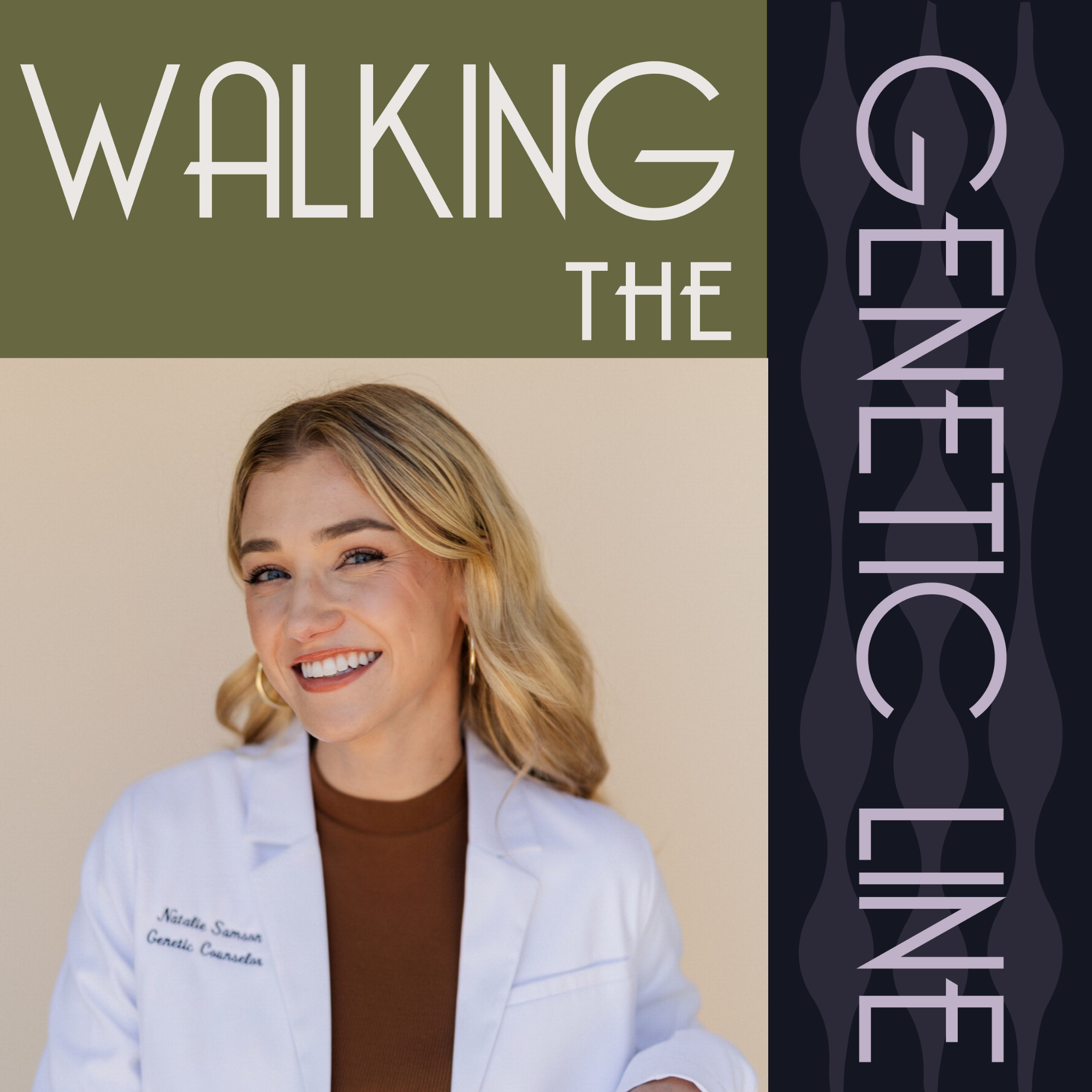
Natalie Samson Hart: How Integrative Genetic Counseling Changes What Comes Next
In this episode, integrative genetic counselor Natalie Samson Hart traces how her father’s stage 4 cancer diagnosis and her brother’s journey with autism reshaped her understanding of what genetic counseling could and should be — revealing the profound gap between information delivery and true whole-person support. What makes this conversation distinct is the way it reframes genetic counseling not as a clinical gatekeeping moment, but as the emotional and relational threshold through which cancer survivors, previvors, and at-risk individuals first make contact with the deeper implications of what their bodies carry.
Krista Brown: ATM Mutation, Delayed Diagnosis, and What Self-Advocacy Actually Costs
In this episode, Krista traces the arc from losing her mother to a cancer her own family's genetic testing almost missed — and then receiving her own cancer diagnosis two weeks before a scheduled preventive surgery she had fought to arrange. What the mainstream previvor conversation rarely holds is this: the person who had to push for genetic testing, push for the biopsy, push against three specialists who said she was wrong — is the same person who now walks newly diagnosed patients through a system that still hasn't fixed the gaps she fell through.
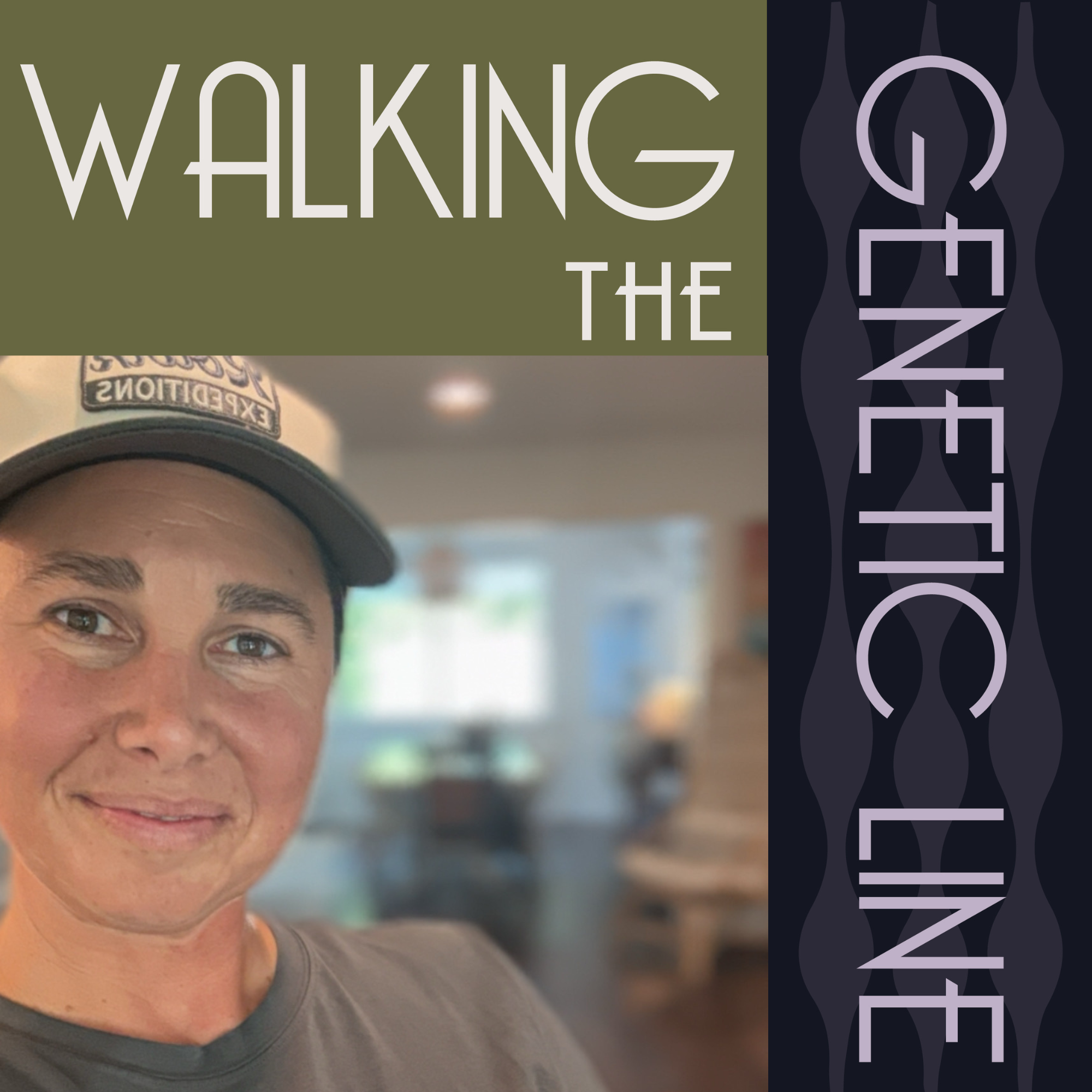
Ali Hall: Prophylactic Mastectomy, Queer Identity, and Reclaiming Your Body on Your Own Terms
In this episode, Ali Hall shares how a BRCA diagnosis she never went looking for became an unexpected doorway into bodily autonomy and self-trust. As a queer, gender-expansive person navigating prophylactic mastectomy in Florida, her story sits at an intersection the mainstream BRCA conversation rarely reaches.
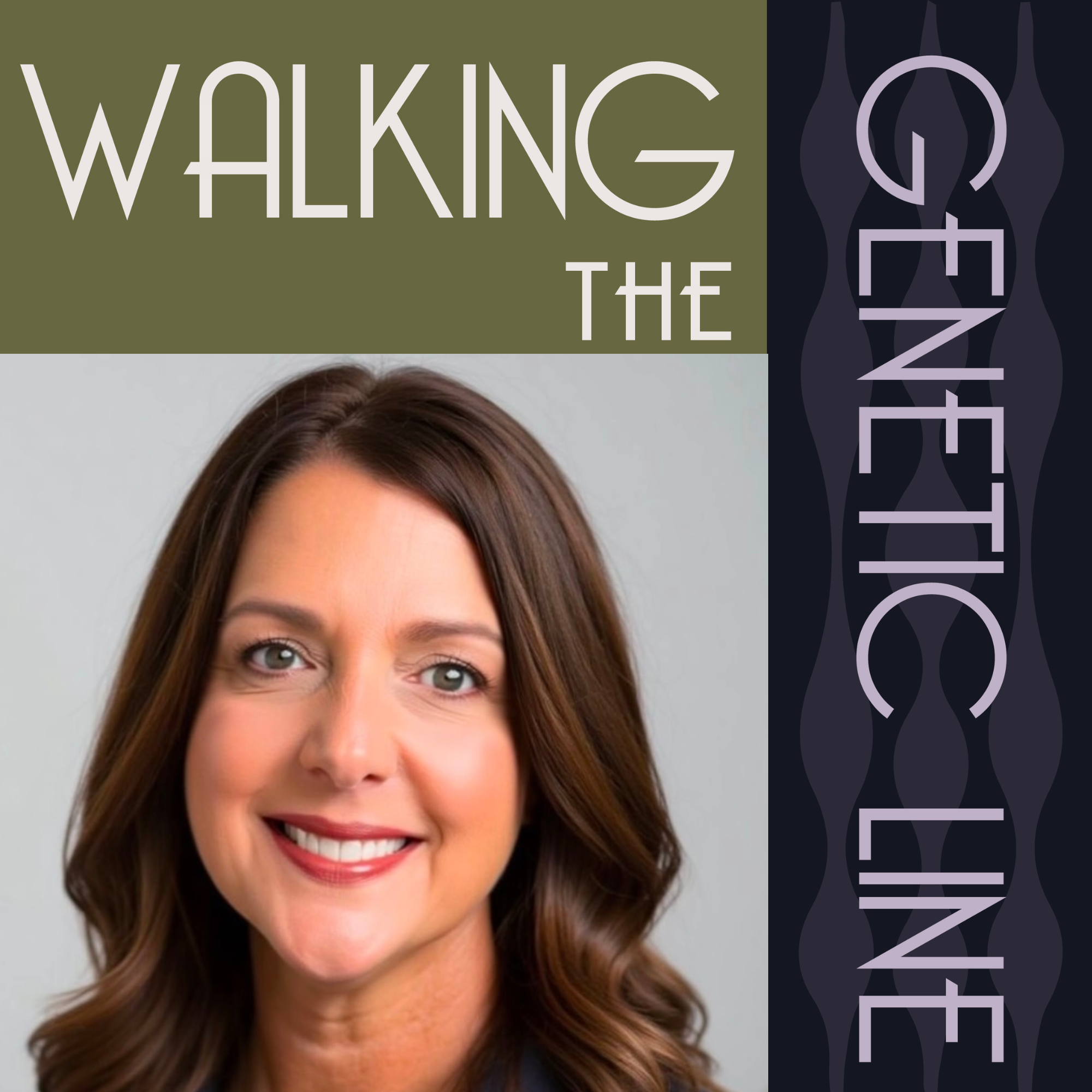
Jennifer Mercer: Lynch Syndrome Awareness and the Weight of a Father's Legacy
Jennifer inherited Lynch Syndrome MSH2 from a father she barely knew — a man whose legacy was absence, unresolved grief, and a medical history that read like a warning she wasn't ready to hear. Years after watching him face cancer after cancer, his death became the moment she could no longer look away, and a positive result on a Zoom call collapsed her past, present, and future into a single, body-level reckoning. What she built from that moment — Lynch Syndrome Awareness — is now fighting to close the gap between a mutation that affects 1 in 279 people and the near-total silence that still surrounds it.
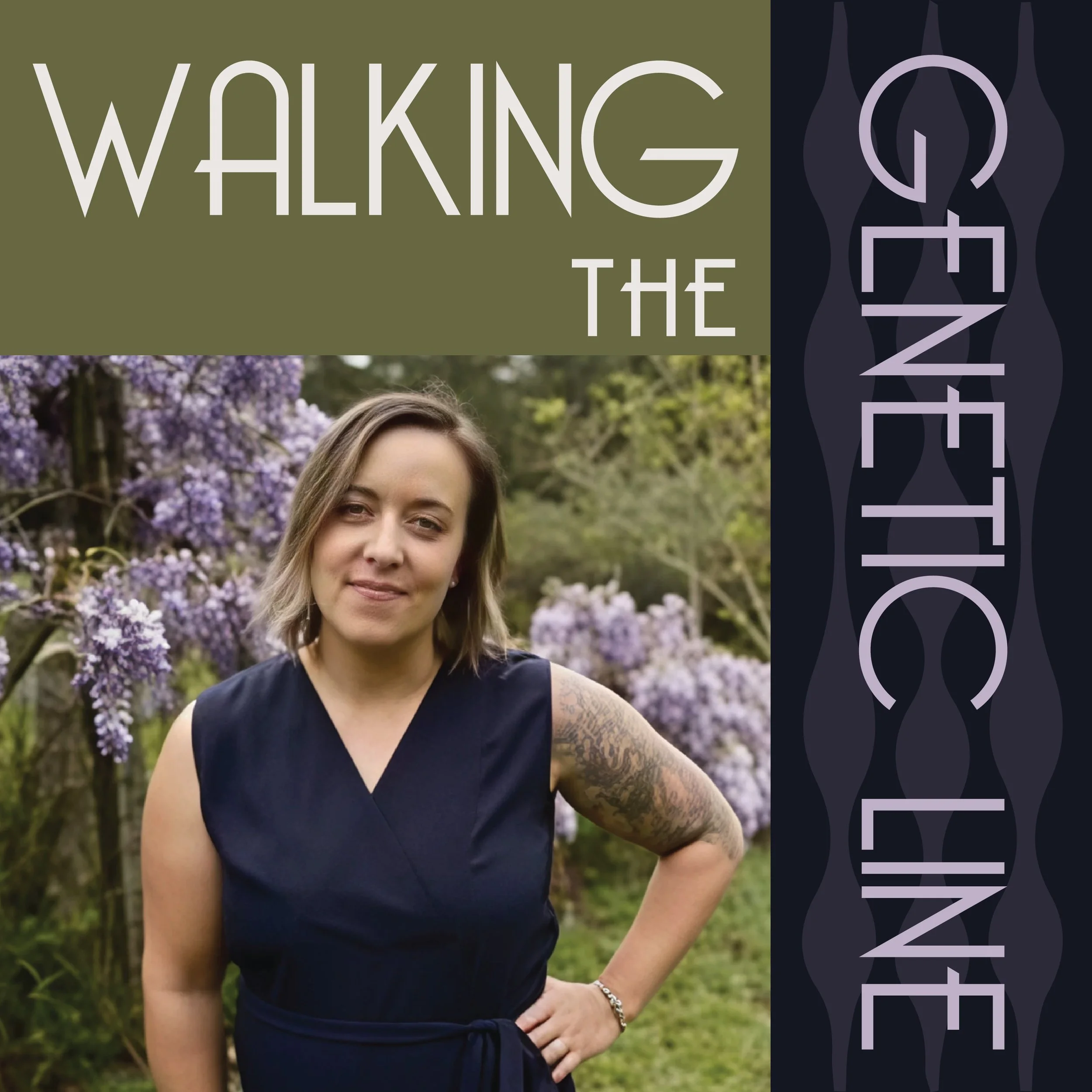
Solo Episode: Living with Hereditary Cancer and Risk in a Loud World
When your body is healing and the world feels unstable, the nervous system absorbs both personal and collective stress at the same time. In this solo episode, therapist Sara Champie explores why medical vulnerability can amplify reactions to global events and why that intensity is a normal physiological response. She offers a trauma-informed reminder that protecting your energy and narrowing your exposure can be an essential part of healing.
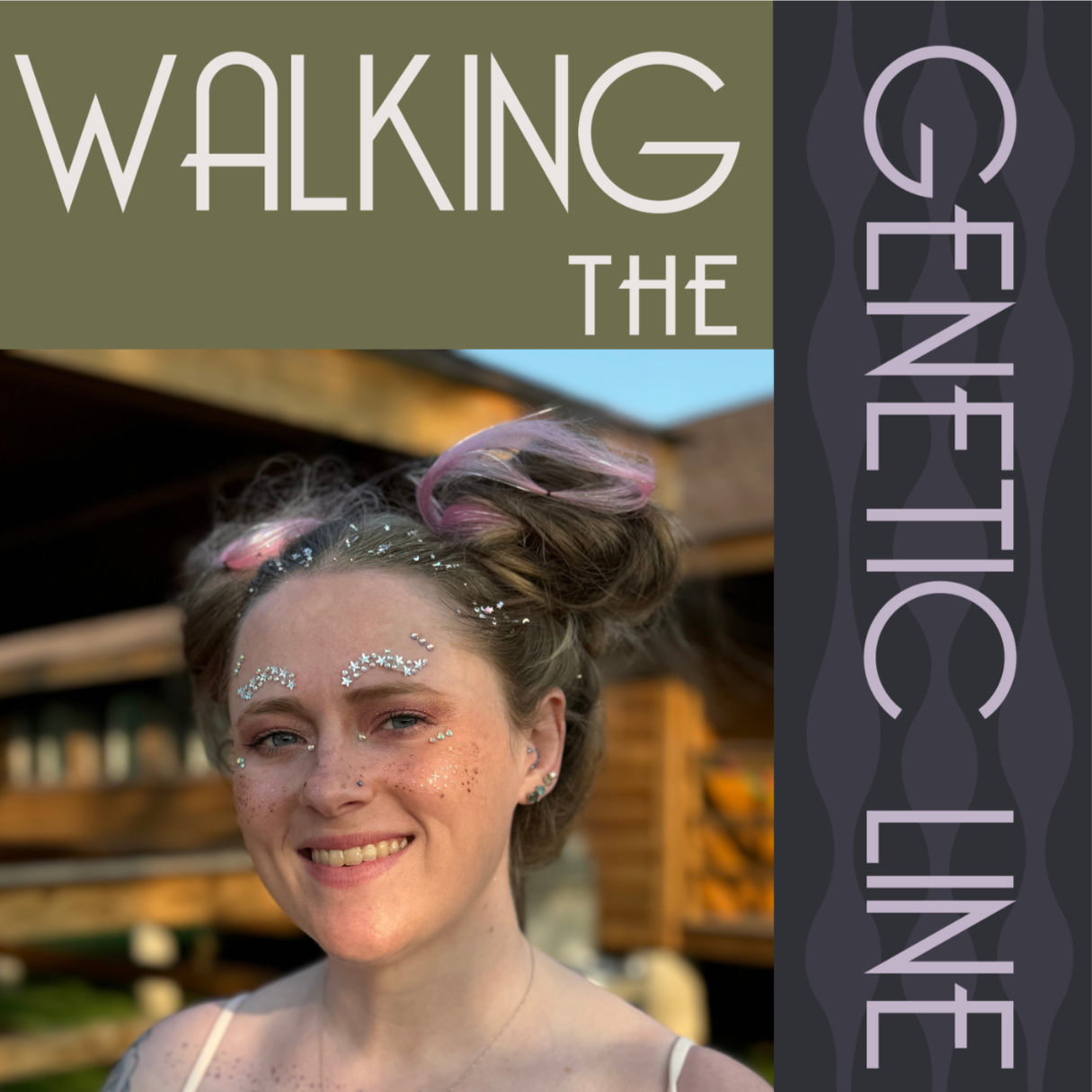
Katie McMurray: The Emotional Impact of Grief, Sisterhood, and Preventative Surgery
Katie was 25 when she chose preventative mastectomy after testing positive for a BRCA1 mutation — years after losing her mother to breast cancer. In this conversation, we explore how genetic testing reactivates grief, reshapes identity, and forces young women into impossible decisions about surveillance versus surgery. This is a story about sisterhood, courage, and claiming agency in the shadow of loss.
Ingrid Nishimoto, LCSW: Peutz-Jeghers Syndrome and Intergenerational Emotional Inheritance
When a genetic diagnosis mirrors a parent's life and early death, the weight of that history can feel like a predetermined path. In this episode, Ingrid Nishimoto, LCSW, shares her lived reality of navigating Peutz-Jeghers Syndrome and the profound emotional impact of outliving the timeline of her father. Bringing her perspective as both a patient and a therapist who specializes in this community, Ingrid explores the shift from inherited hyper-vigilance toward finding genuine agency within the medical system.
Sara Kavanough: From Health Anxiety to Empowerment—Transforming Hereditary Cancer Risk into Healing
In this episode of Walking the Genetic Line, Sara Champie sits down with Sara Kavanough, a passionate advocate and mom living with Lynch syndrome and a Check2 mutation. Sara Kavanough shares her personal journey of discovering her hereditary cancer risk, transforming health anxiety into empowered self-advocacy, and finding healing through connection and storytelling. As the host of The Positive Gene Podcast, she offers education, community, and resources for others navigating similar paths, emphasizing the importance of self-acceptance and living authentically after a life-changing genetic result. Don’t miss this inspiring conversation with one of the leading voices in the previvor community.
Sara Kourouma: From Childhood Loss to Empowerment, Creating Community for BRCA Carriers
Sara Kourouma is a clinical social worker currently in private practice in Austin, Texas. Originally from the Bay Area, she spent many years in New York before settling in Austin. Sara’s professional focus has centered on helping youth and young adults process their childhood experiences—a passion deeply influenced by her own story. As a carrier of the BRCA2 genetic mutation, Sara lost her mother to illness at the age of 10, an early loss that has shaped both her personal journey and her commitment to supporting others through difficult transitions.
Beth Martinetti: Family, Fertility, and Identity after Hereditary Cancer Diagnosis
In this deeply personal and wide-ranging episode, Sara Champie interviews Beth Martinetti, a Pilates instructor, mother of three, and carrier of multiple genetic mutations including BRCA1 and CHEK2. The conversation begins with Beth Martinetti sharing her background in Princeton, New Jersey, and the surprising journey that led her to discover her genetic risks at age 45.
Dr. Corinne Menn: The Truth About Hormone Replacement for BRCA Carriers and Previvers
With honesty and wisdom, Sara Champie and Dr. Corinne Menn name the gaps in care—how misinformation and lack of medical training around menopause have shaped generations of patients and doctors, why early menopause needs specialized support, and how recent changes in FDA estrogen guidelines are shifting the landscape for hormone therapy. Most of all, this episode is a call to become the CEO of your own health, to find your voice, and to claim the space you need—emotionally, relationally, and medically.
Martha Kaiser: From Melanoma Diagnosis to Genetic Discovery – A Journey of Agency and Ancestry
From the trauma of childhood cancer experiences and the silence of past generations, to the drive for clarity and advocacy in the face of rare mutations, Martha Kaiser shares her search for answers, her journey through family history, and what it means to “flip the script” for her own children. Along the way, Sara Champie brings her trauma-informed therapeutic lens, honoring the complexity of living with hereditary cancer risk—the anxiety, guilt, and grief, but also the agency, connection, and hope that come from building community and reclaiming your story.
What “Evidence-Based Care” Really Means: Bridging Science, Trauma, and Healing Hereditary Cancer
In this episode of Walking the Genetic Line, Sara Champie explores what “evidence-based care” really means — and what it misses when applied to the emotional landscape of hereditary cancer. She unpacks how the medical model values what can be measured, while therapy honors what can only be felt: safety, trust, and reconnection. Together, these two ways of knowing — science and relationship — shape a fuller path to healing.
Katherine Lewandowski: Choosing Care and Claiming Power
Katherine Lewandowski discovered she carried BRCA2 in the wake of her father’s metastatic prostate cancer—and turned shock into agency by building a values-aligned care team, choosing a prophylactic mastectomy with DIEP flap reconstruction, and facing surgical menopause on her own terms. In this candid conversation, she shares the early shame and fear, the practical steps that eased recovery (from surgeon communication to listening to her body), and the unexpected joy of reclaiming strength through weight training and even learning tennis at midlife.
Be on the podcast!
Would you like to share your experience? I am always looking for people to interview who are willing to share deeply about what they are wrestling with, and what the emotional, relational and healing aspects of having a genetic mutation can be. Fill out this form and I will be in touch!
Start your journey
Whether you are interested in joining us in one of our intimate support groups, or diving deeper with individual therapy in California, I look forward to connecting with you.